Hey, in today's crazy-fast tech world, everyone’s really feeling the need for reliable GPS INS guidance solutions. It’s no surprise — lots of businesses areon the lookout for trusted partners to boost their navigation and positioning game. That means there's a pretty big market opening up for ODMs (Original Design Manufacturers) who can offer affordable, high-quality GPS tech.
But, honestly, picking the right ODM isn’t exactly a walk in the park. There are so many companies out there, each with their own little perks and features tailored for different needs. Getting a good feel for what’s out there really helps you make smart decisions. Big names like Navtech, GNSS Solutions, and Tech GPS have definitely made a splash. They’re pushing the tech forward with better accuracy and stronger durability — pretty impressive stuff.
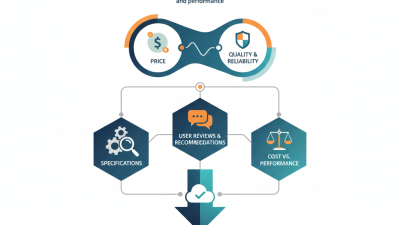
Of course, price matters — nobody wants to overspend. But, at the same time, skimping on quality just isn’t worth it. Finding that sweet spot between cost and performance is key. Taking the time to compare different ODMs can really show you what they’re good at, and what might be lacking. Doing your homework on the best GPS INS guidance options can seriously boost operational efficiency and even open doors to some pretty exciting innovations in navigation tech.
All in all, it’s about balancing affordability with quality, and staying ahead of the curve in this rapidly evolving field.
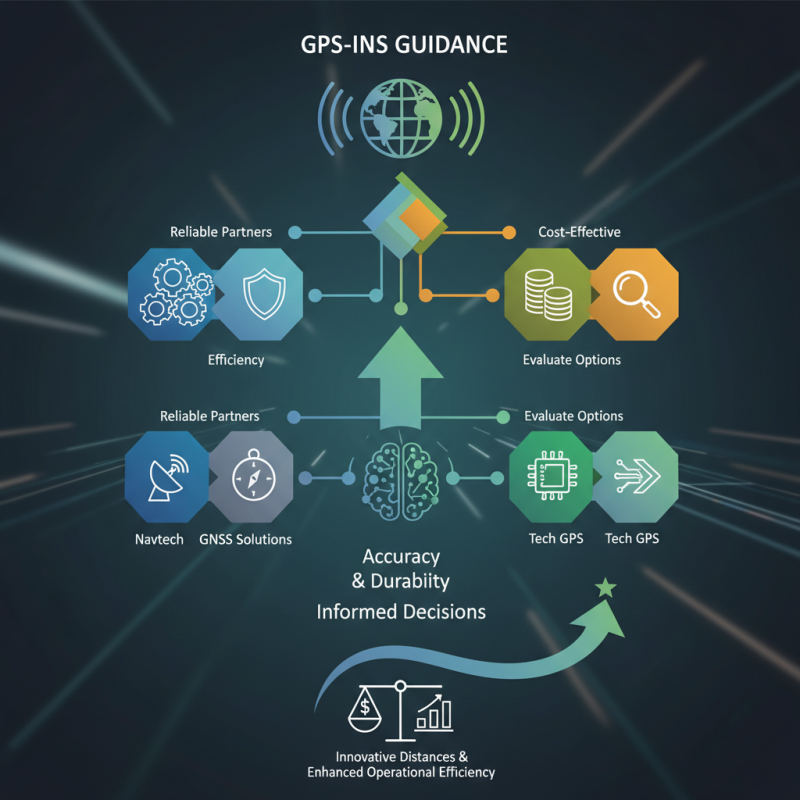
Overview of ODM GPS Solutions and Market Demand
The ODM GPS solutions market is evolving rapidly. Current reports indicate a significant surge in demand for affordable GPS technologies. According to Grand View Research, the global GPS market is anticipated to grow at a CAGR of 14.0% from 2023 to 2030. This growth is largely driven by the increasing penetration of automation across various sectors.
Ins Guidance Systems, in particular, are gaining traction among various industries. These systems enhance operational efficiency and user experience. A recent report by Markets and Markets highlights that the adoption of GPS technology for precise navigation and tracking has become paramount. Companies are increasingly looking for cost-effective ODM solutions that can deliver similar capabilities to high-end systems but at a fraction of the price.
While the market is promising, there are challenges to consider. For instance, data accuracy and security remain critical concerns. The reliance on GPS signals can lead to vulnerabilities associated with interference. Moreover, ODM solutions may not always meet the stringent requirements of high-stakes applications, leading to potential user hesitation. Investing in these technologies requires careful evaluation and consideration of both advantages and potential drawbacks.
Overview of ODM GPS Solutions and Market Demand
Key Factors to Consider When Selecting ODM GPS Products
When selecting ODM GPS products, several key factors come into play. The accuracy of the GPS technology is vital. A precise GPS solution can significantly improve navigation and tracking capabilities. Look for features like multi-GNSS support for better satellite coverage. This ensures reliable service in urban settings and remote areas alike.
Cost-efficiency is another crucial aspect. While it’s tempting to choose the cheapest option, consider the overall value instead. Sometimes, lower-priced models lack essential features or durability. Assess the long-term returns on your investment. Quality matters. A reliable GPS device can save time and resources by reducing errors in tracking.
User-friendly interfaces enhance the usability of GPS products. A complex system may deter potential users. Additionally, think about the integration capabilities with existing systems. Compatibility can make or break the efficiency of your chosen solution. It’s essential to evaluate these elements carefully before making a decision.
Top 10 Cost-Effective ODM GPS Providers for 2023
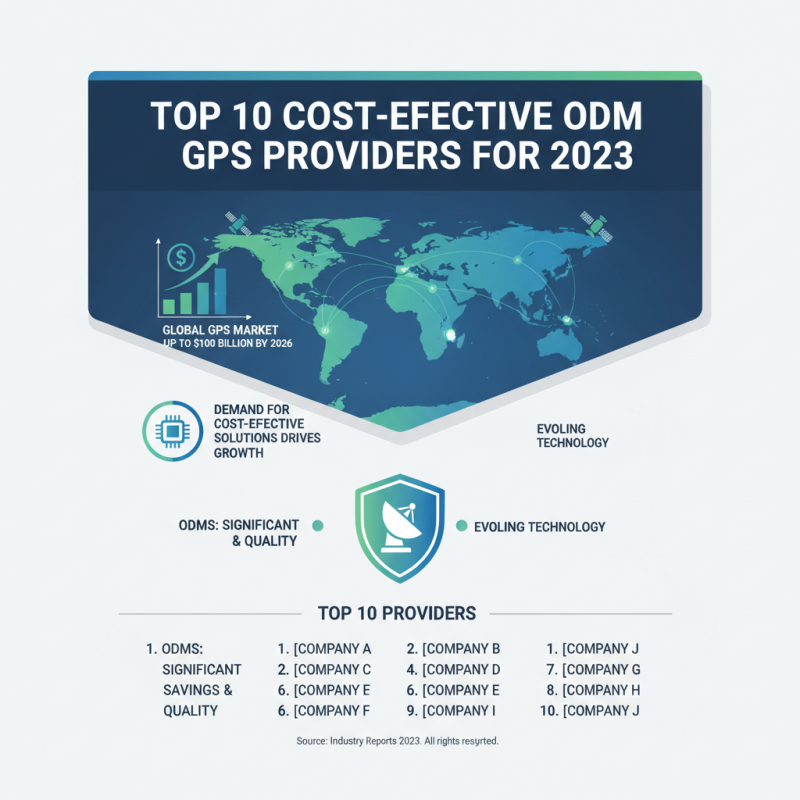
The ODM GPS market has seen rapid growth. Recent reports indicate that the global GPS market is projected to reach $100 billion by 2026, driven by the demand for cost-effective solutions. Companies are increasingly seeking Original Design Manufacturers (ODMs) for guidance systems. ODMs can offer significant savings while maintaining quality. As the industry evolves, so do the technologies they utilize.
Many ODM GPS providers are now focusing on cost efficiency without compromising performance. A 2023 analysis showed that GPS devices produced by ODMs can reduce manufacturing costs by up to 30%. These providers are innovating with advanced technologies. They often use simplified components, which hinge more on functionality than on luxury features. However, finding the right balance between cost and reliability remains challenging for businesses.
In the pursuit of cost-effective ODM solutions, companies must assess their specific needs. Not all OEMs deliver the same level of quality or service. Potential reliability issues also linger. The data suggests that companies must conduct thorough research before selecting a provider. The GPS industry is competitive, and not every provider will meet stringent quality standards. It’s crucial for businesses to consider their long-term needs while choosing a partner.
In-Depth Analysis of Features Offered by Leading ODM GPS Solutions
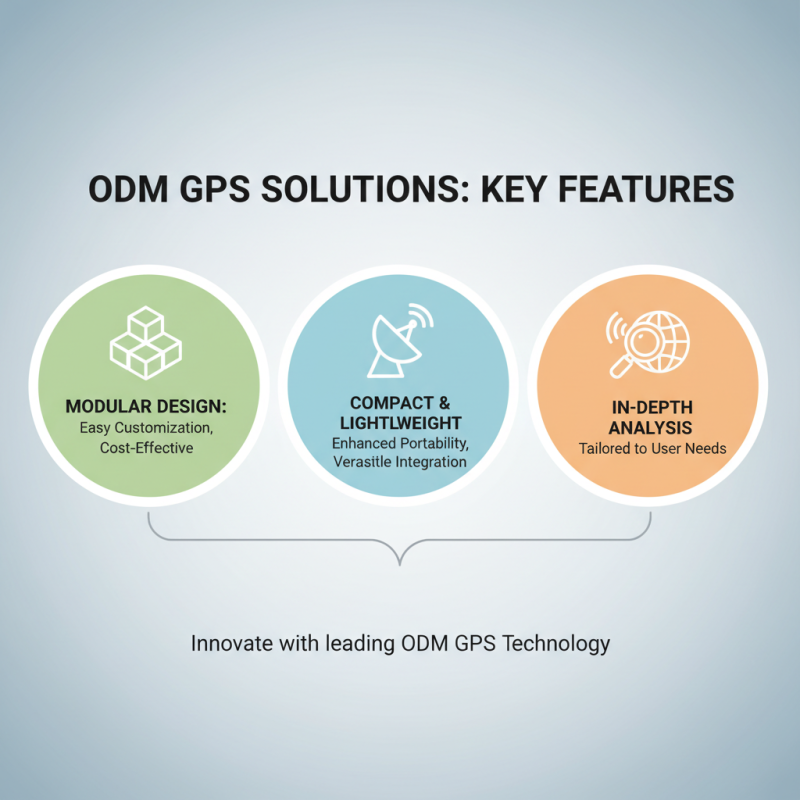
When exploring ODM GPS solutions, consider their unique features. Many ODMs provide cost-effective modular designs. These structures allow for easy customization based on user needs. Lightweight and compact models are often ideal for integration into various devices, enhancing portability.
Tips: Always check the sensor accuracy. Inertial Guidance Gps can significantly improve navigation precision. However, some solutions may struggle in urban environments or areas with poor satellite visibility. Consider these limitations when selecting a GPS system.
User-friendly interfaces are another crucial aspect. Clear displays and intuitive controls enhance usability. Some systems lack detailed instructions, leading to confusion. Research support options for complex integrations. Choosing the right ODM involves balancing cost and functionality. Not all solutions meet every expectation, making thorough evaluation essential.
Comparative Review of Pricing Strategies for ODM GPS Solutions
When it comes to choosing ODM GPS solutions, pricing strategies play a crucial role. Many companies aim to provide affordable options. However, low prices often raise concerns about quality and reliability. A proper balance between cost and performance is essential. Effective pricing should reflect the features provided. Customers want to ensure they receive value without sacrificing quality.
Comparative analysis reveals various pricing structures in the market. Some companies offer fixed pricing, while others use dynamic pricing strategies. Understanding the cost breakdown can help potential buyers make informed decisions. This includes assessing capabilities like Gps Aided Inertial Navigation Guidance. It is a key feature that enhances accuracy.
Moreover, not all budget options deliver the promised performance. Companies need to be transparent about what their products entail. Evaluating customer reviews can offer insights into real-world performance. In this competitive sector, finding a trustworthy provider matters. Keep exploring different options for the best fit.
Top 10 ODM Cheap GPS Ins Guidance Solutions You Should Consider
| Solution Name |
Price (USD) |
Features |
Accuracy (meters) |
Supported Devices |
| GPS Solution A |
$49.99 |
Real-time tracking, geofencing |
5 |
Android, iOS |
| GPS Solution B |
$59.99 |
Route planning, historical data |
3 |
Android only |
| GPS Solution C |
$39.99 |
SOS features, live tracking |
10 |
iOS only |
| GPS Solution D |
$55.00 |
Cloud storage, mobile alerts |
7 |
Android, iOS |
| GPS Solution E |
$44.99 |
Speed monitoring, route history |
4 |
Android only |
| GPS Solution F |
$50.00 |
Battery saving mode, alerts |
6 |
iOS, Windows |
| GPS Solution G |
$45.99 |
Two-way communication, NS tracking |
8 |
Android, iOS |
| GPS Solution H |
$59.99 |
Voice commands, integrated maps |
2 |
iOS only |
| GPS Solution I |
$62.50 |
Offline maps, traffic updates |
5 |
Android, iOS |
| GPS Solution J |
$58.99 |
Fleet management, real-time alerts |
6 |
Android, iOS, Windows |
User Feedback and Reviews of Popular ODM GPS Devices
User feedback is crucial when evaluating ODM GPS devices. Many users report satisfaction with the accuracy and reliability these devices offer. According to a recent industry report, over 70% of users value high-resolution mapping capabilities in their GPS solutions. This aligns with current trends where accuracy in position determination is non-negotiable for most applications.
Inertial Guidance technology has emerged as a game-changer in GPS devices. Users appreciate its ability to track positions even when GPS signals are weak or interrupted. Real-world tests show that devices equipped with Inertial Guidance maintain accuracy within 5 meters in challenging environments. However, feedback indicates that some users experienced minor delays in recalibration. This highlights the need for continuous improvement in sensor integration.
Tips: Ensure your GPS device can quickly adapt to changes in your environment. Read user reviews to understand real-world performance. Remember, sometimes, less popular features can provide more reliability in the long run. Explore communities for shared experiences and learn from reviews addressing potential pitfalls in user experiences.
Future Trends in ODM GPS Technology and Solutions to Watch
The landscape of ODM GPS technology is rapidly evolving. According to a recent industry report, the global GPS market is projected to reach $257 billion by 2026. This growth signals a shift towards smarter and more cost-effective solutions.
Companies are increasingly prioritizing GPS systems that enhance accuracy while reducing costs. ODMs play a vital role in this, offering customized solutions tailored to specific market needs.
Advancements in GPS technology include the integration of AI and machine learning. These innovations enhance real-time data processing, improving navigation and tracking capabilities. Yet, challenges remain. Ensuring data security while maintaining accessibility is a growing concern. Inadept security measures can lead to vulnerabilities, inviting potential breaches. As the technology matures, addressing these issues will be critical.
Moreover, the shift towards sustainable solutions is evident. Green technologies are becoming more prevalent, driven by environmental concerns. ODMs are exploring hybrid models that combine GPS with eco-friendly practices. Nonetheless, the transition isn't smooth. Balancing innovation with sustainability can be challenging. Companies must reflect on their strategies to remain competitive in this dynamic landscape.
Advancements in High Precision Navigation: Analyzing INS970's Role in GNSS-Denied Environments Using Industry Reports
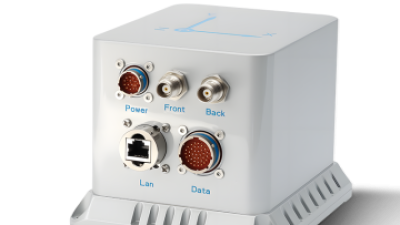
In the evolving landscape of offshore oil and gas operations, the need for high-precision navigation systems has never been more critical, particularly in GNSS-denied environments. Industry reports indicate that the increasing complexity of subsea missions, coupled with the challenging nature of remote and hazardous locations, necessitates reliable navigation solutions that can operate independently of satellite signals. The Poseidon INS970 stands out by integrating fiber optic gyroscopes and MEMS accelerometers, thereby ensuring unparalleled accuracy and reliability for subsea navigation.
Recent studies highlight that accurate subsea positioning and navigation are essential for optimizing operational efficiency and safety in offshore projects. Reports suggest that systems like INS970 can drastically reduce positioning errors, which, in sectors relying on deep-sea exploration, could mean the difference between success and failure. By providing real-time data on critical parameters such as heading, attitude, and velocity, these systems allow operators to make informed decisions, ensuring that exploration and infrastructure maintenance can proceed without interruption.
Furthermore, the compact design and low power consumption of modern high-precision navigation systems enable easier integration with various sensors including odometers and USBL. This adaptability is particularly beneficial for unmanned aerial vehicles (UAVs) and marine engineering surveying applications, where robust and accurate navigation is required in unpredictable environments. Industry reliance on advanced imaging and positioning solutions will continue to grow as the demand for energy resources increases against a backdrop of technological advancements, further underscoring the role of high-precision systems in the future of offshore operations.
FAQS
: Many users report high satisfaction with the accuracy and reliability of these devices.
Over 70% of users value high-resolution mapping capabilities in their GPS solutions.
Inertial Guidance technology helps track positions even with weak signals.
Some users experienced delays in recalibration during real-world use.
Users should choose devices that quickly adapt to environmental changes.
The global GPS market is expected to reach $257 billion by 2026, focusing on smarter solutions.
Ensuring data security while keeping systems accessible is a growing concern.
Yes, there is a shift towards hybrid models that combine GPS with eco-friendly practices.
Balancing innovation and sustainability can be tough for many companies.
Reading user reviews and exploring community feedback helps understand potential pitfalls.
Conclusion
The article discusses the growing demand for ODM GPS solutions, particularly in the context of GPS INS guidance systems. It outlines key factors that should influence the selection of ODM GPS products, emphasizing the importance of features, user feedback, and pricing strategies. An analysis of the top 10 cost-effective ODM GPS providers for 2023 highlights the competitive landscape and the innovative features available in the market.
Additionally, the article examines user reviews, which provide insights into the practicality and reliability of various ODM GPS devices. It also touches on future trends in ODM GPS technology, indicating that advancements in GPS INS guidance are likely to play a significant role in reshaping navigation solutions. Overall, this summary serves to inform potential buyers about the essential considerations and emerging trends shaping the ODM GPS market.

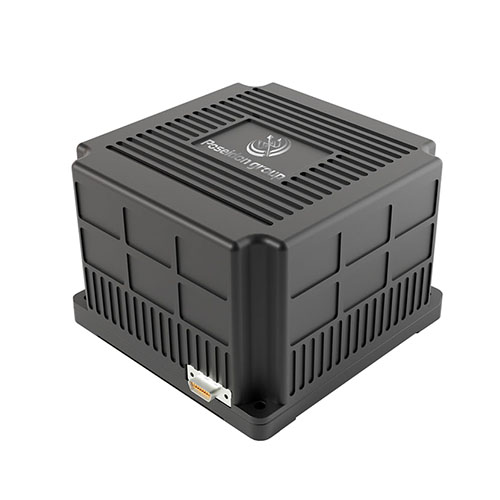 TBSD60
 BSD120
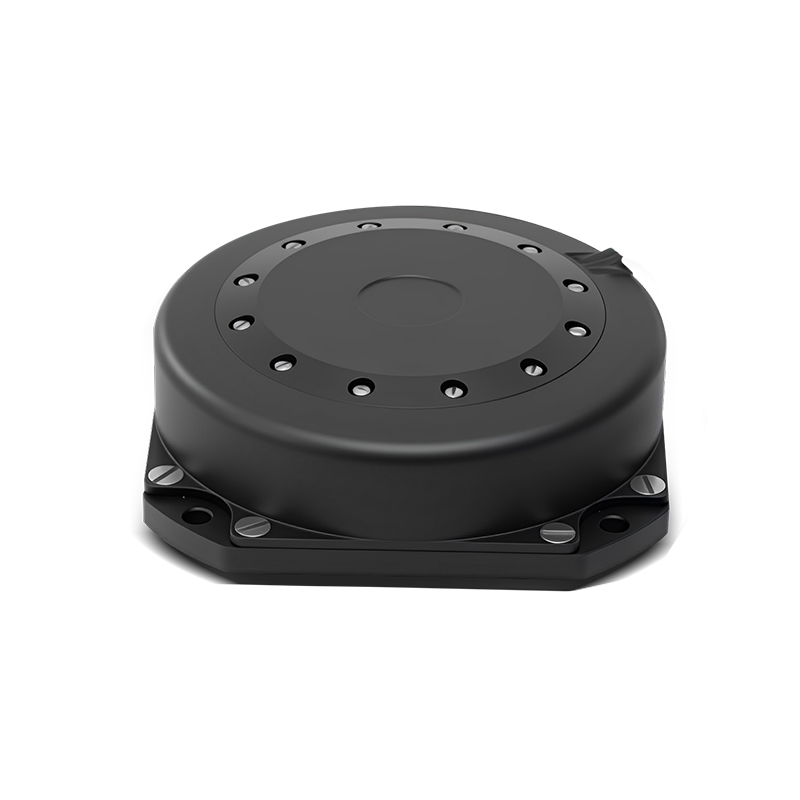 BSD98
BSD98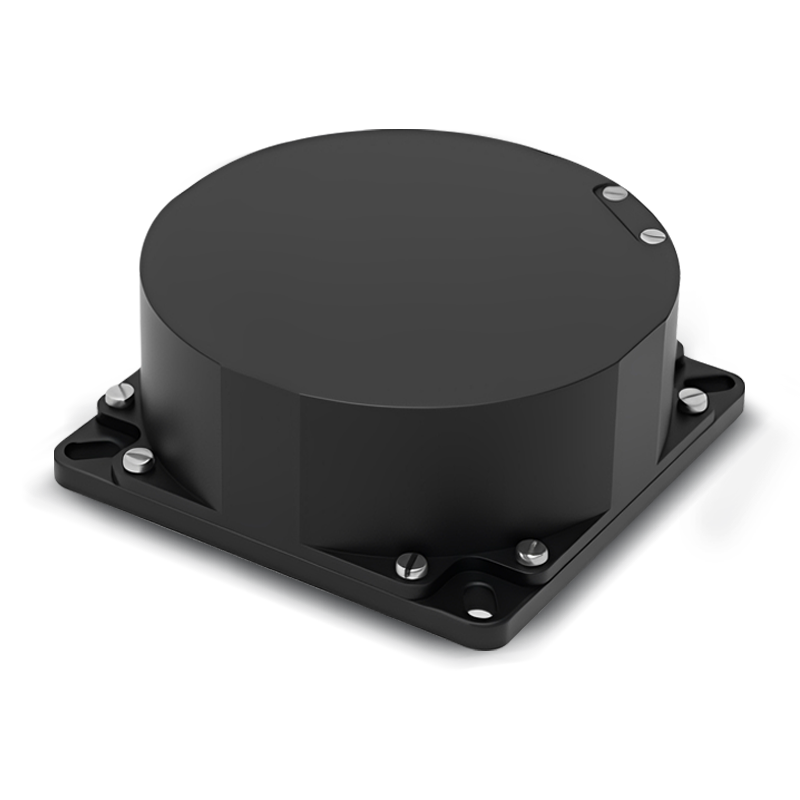 BSD70
BSD70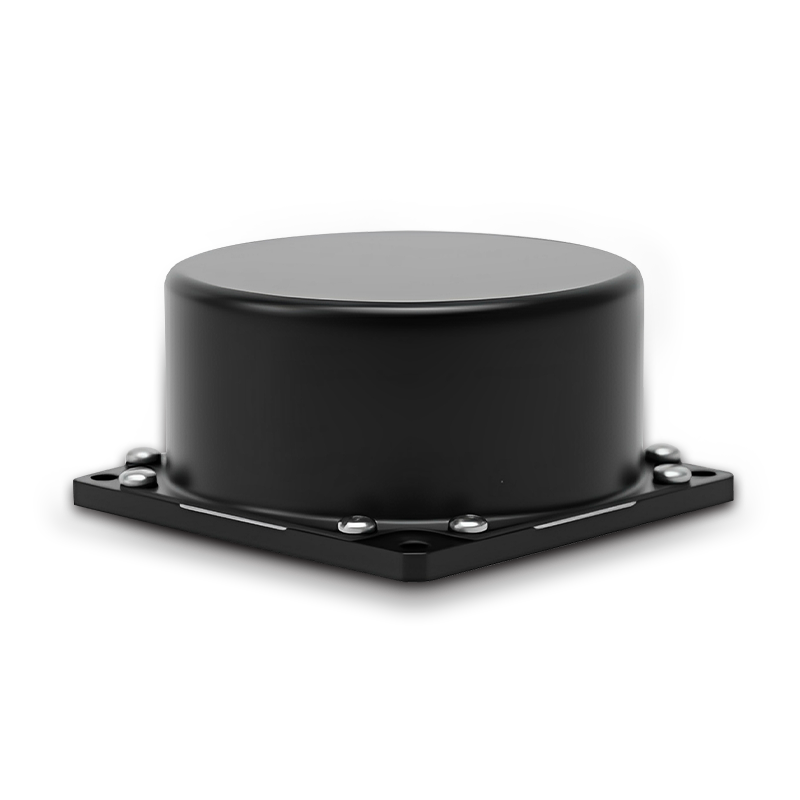 BSD60
BSD60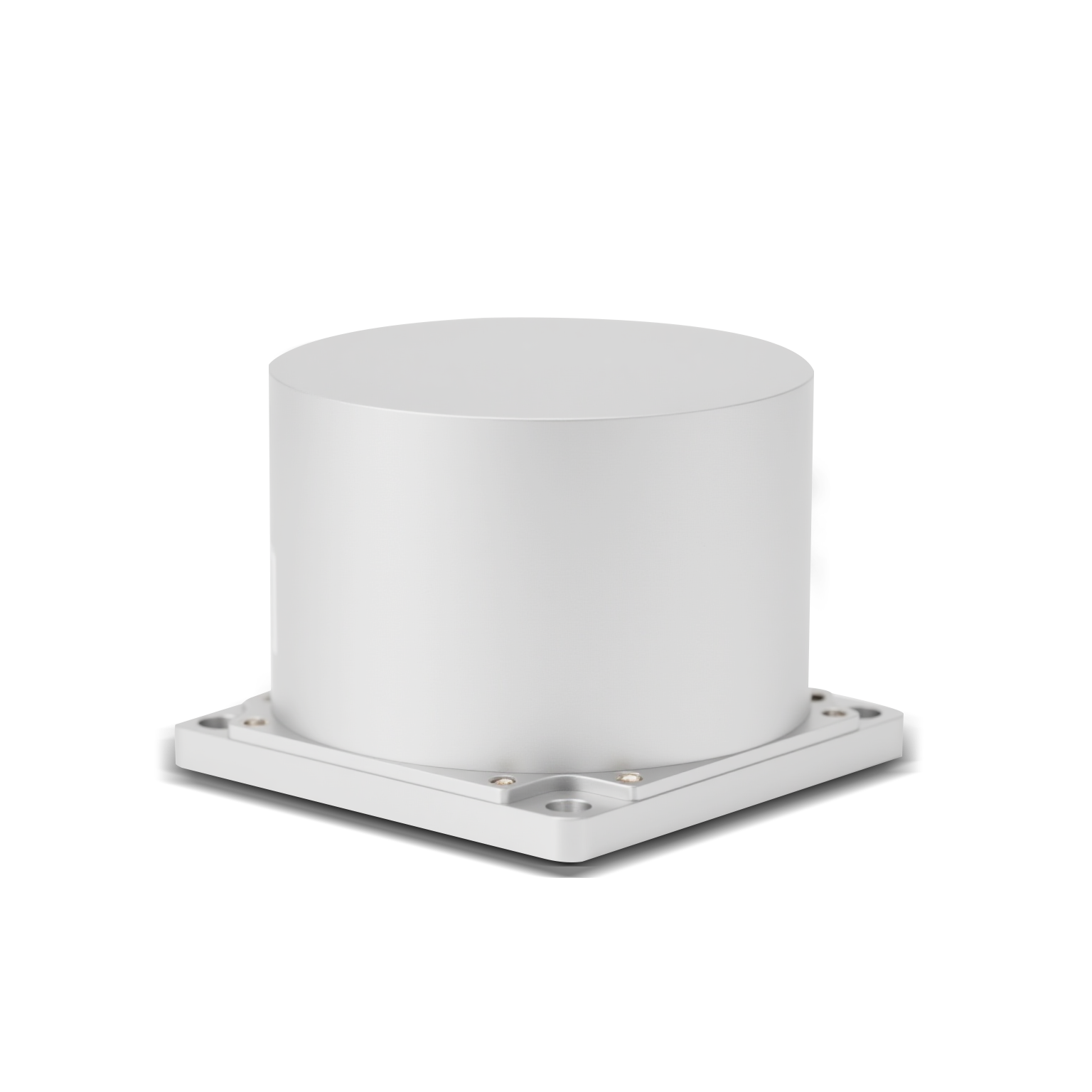 BSD50
BSD50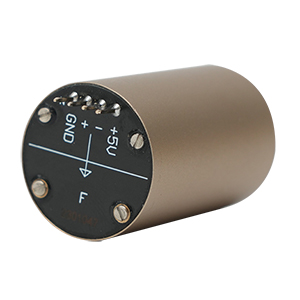 BSD217
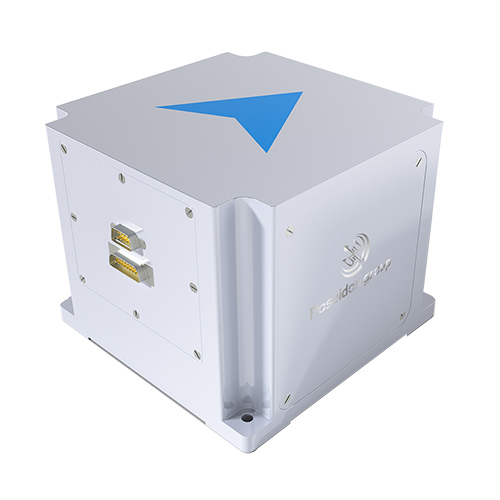 INS1700
 INS970
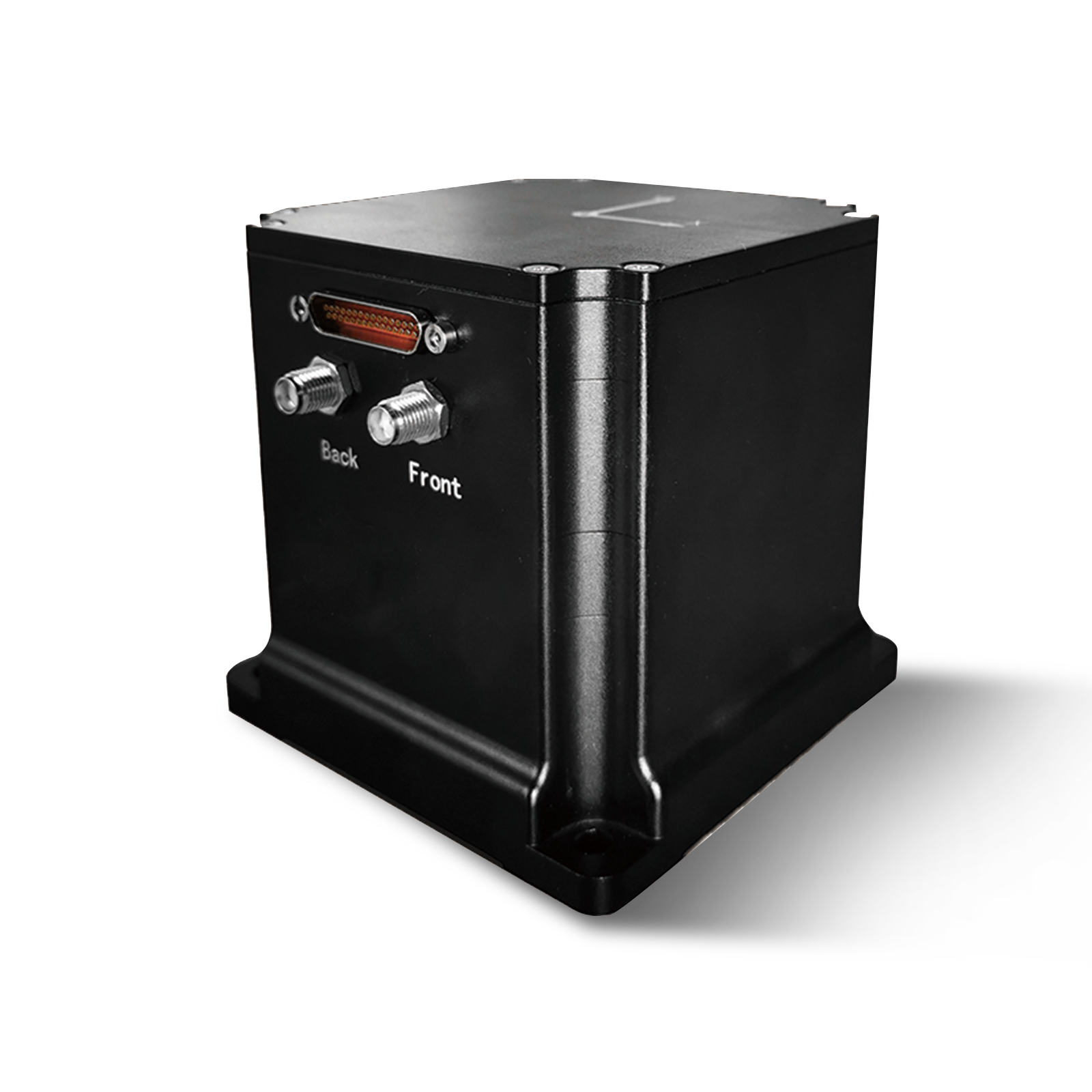 INS570
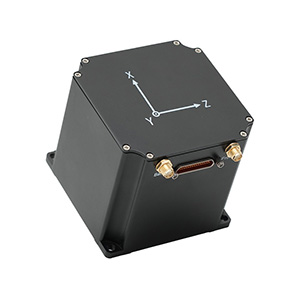 INS170
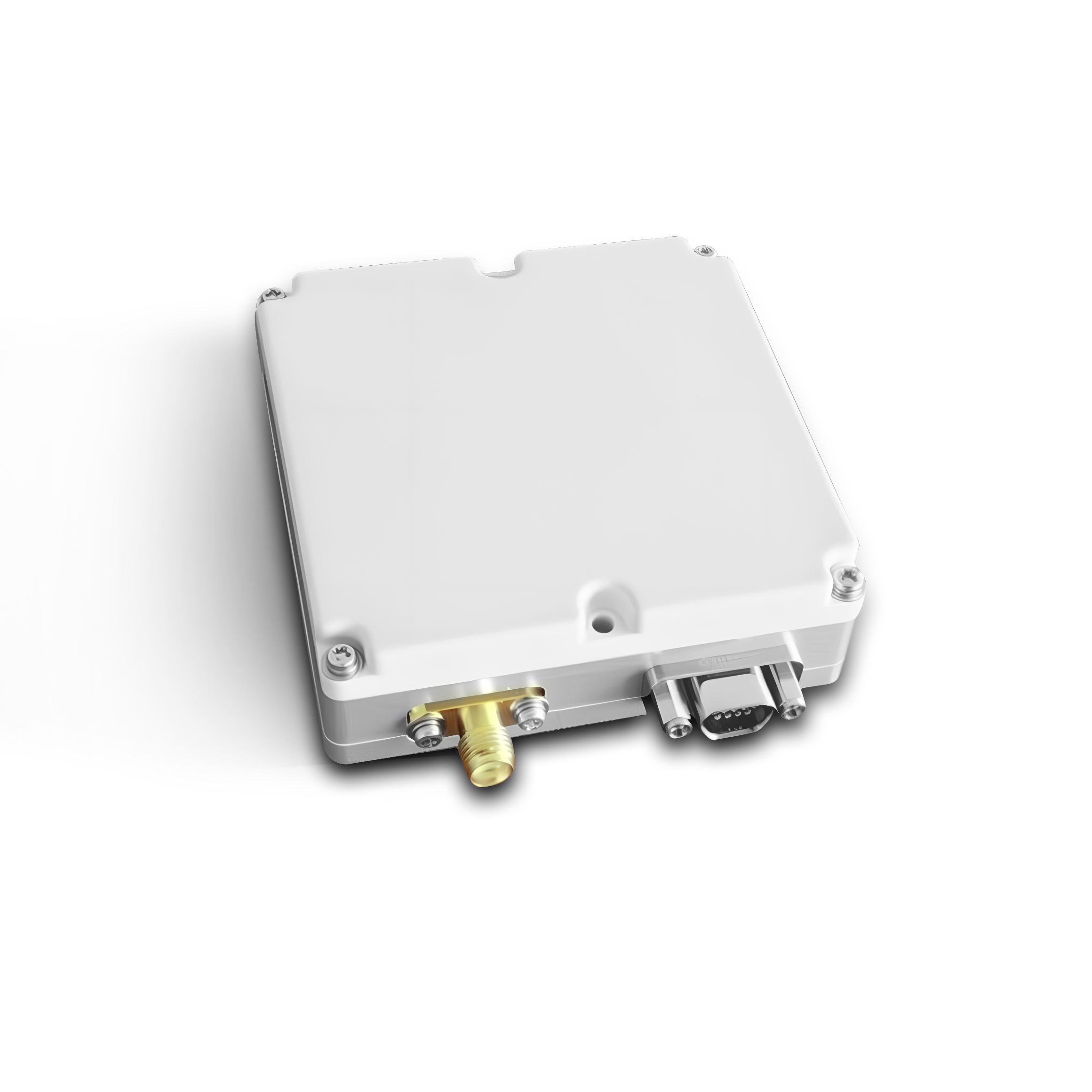 SLA-4B1L1-65
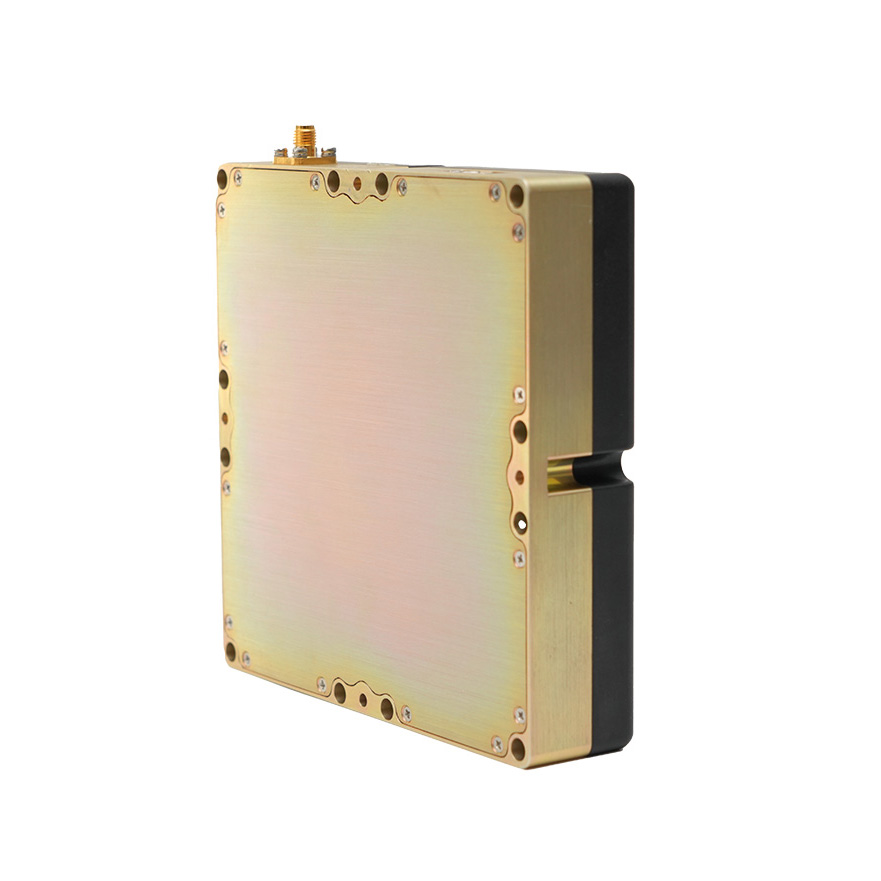 SLA-4B1L1-130
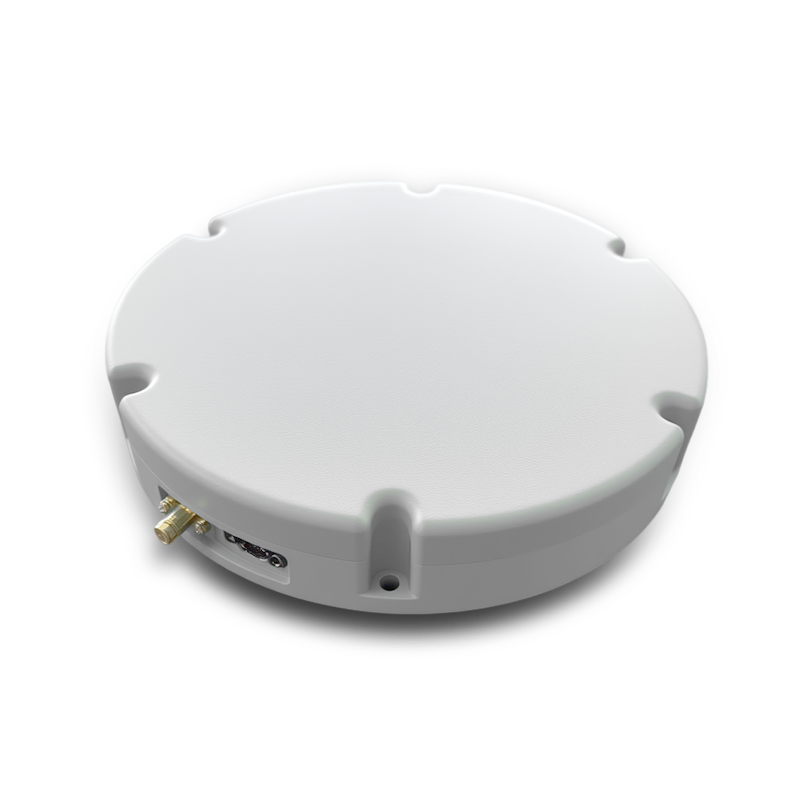 SLA-8B1L1-165
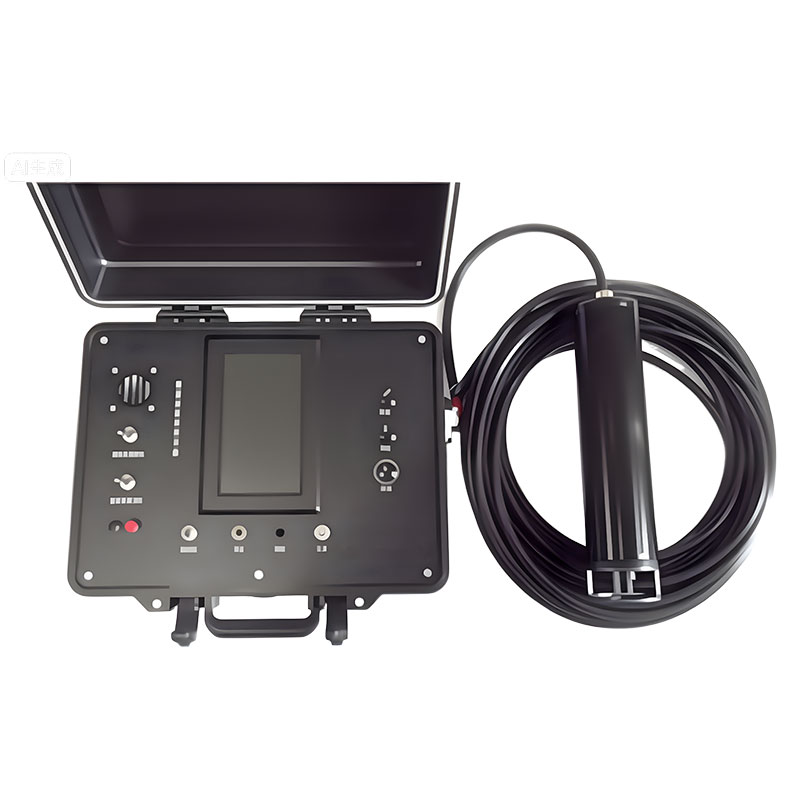 DIVER 101
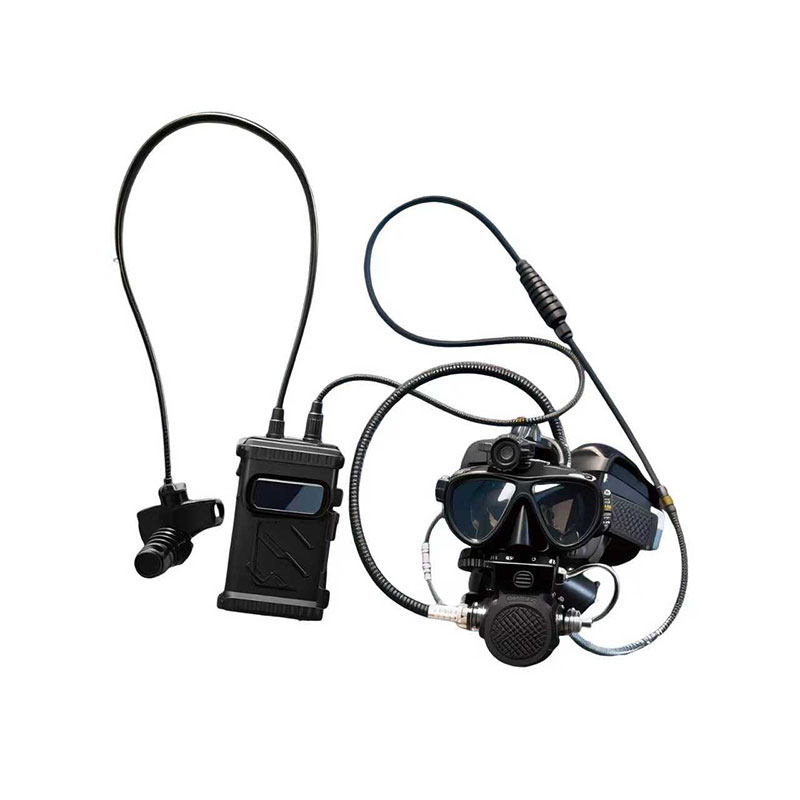 DIVER 102
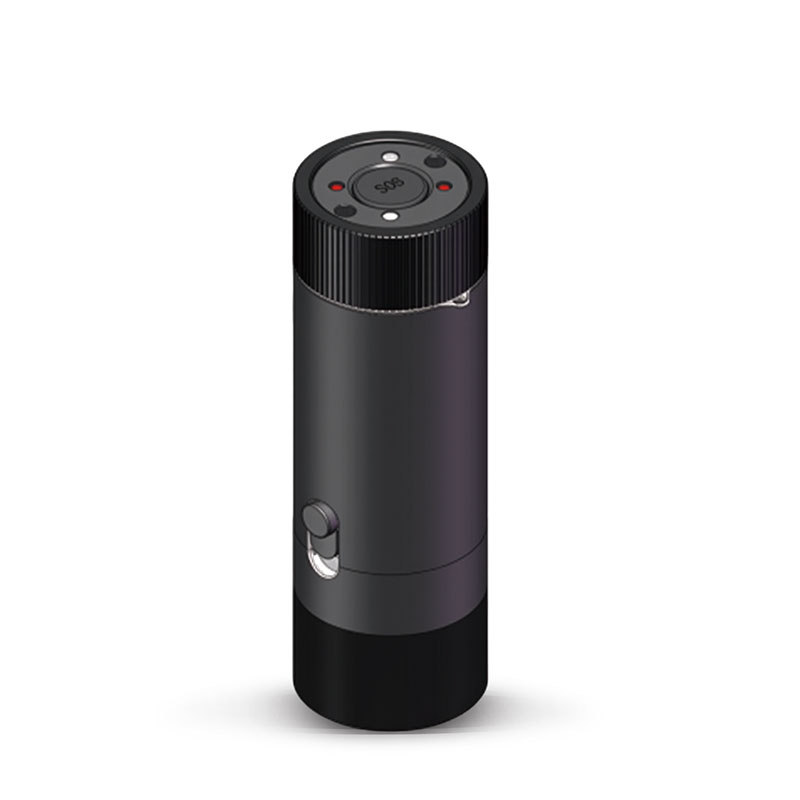 DIVER 103
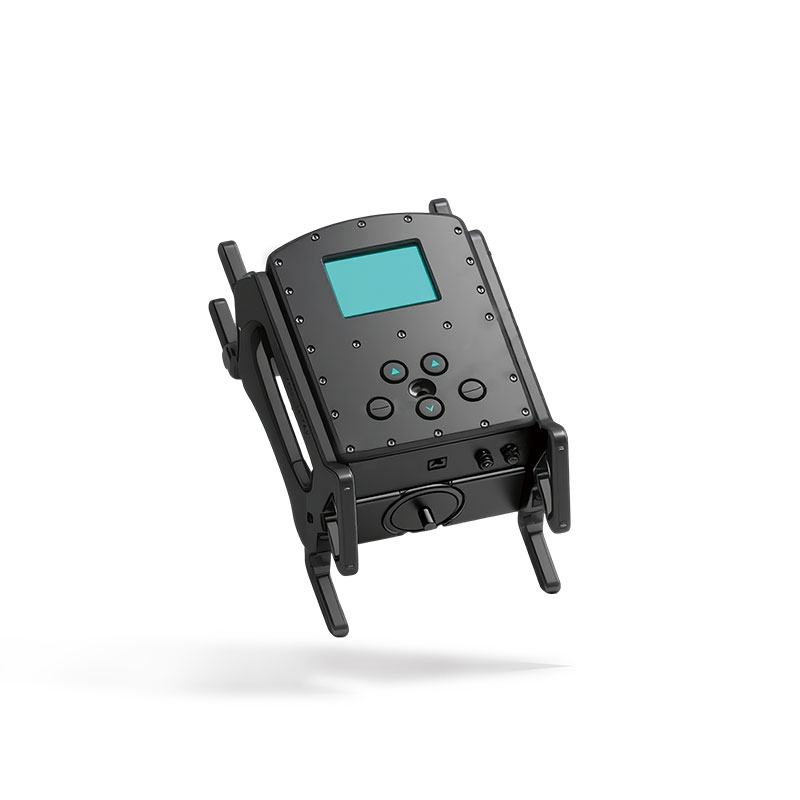 DIVER 104
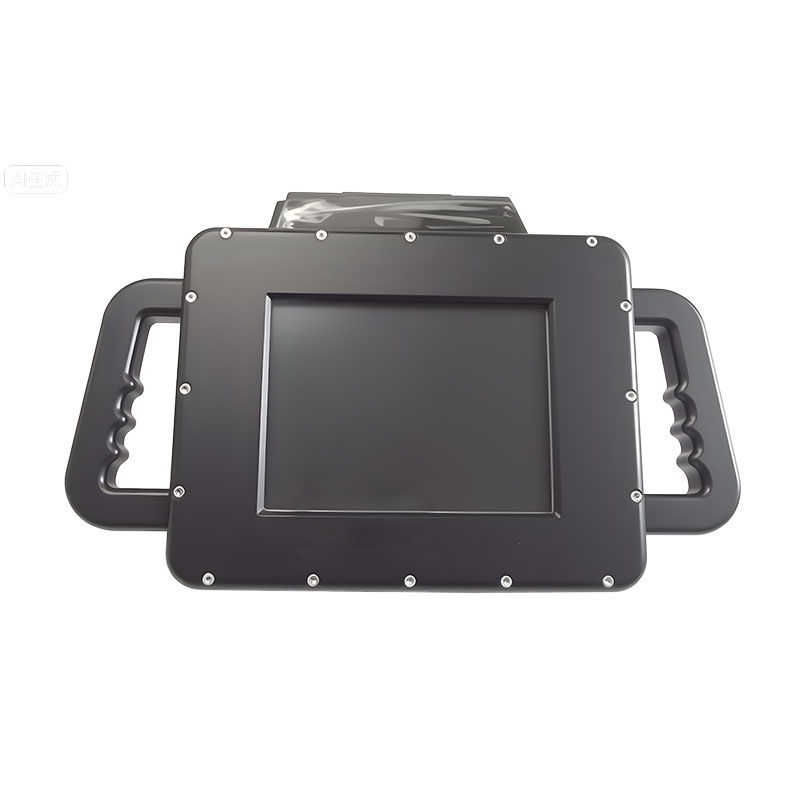 DIVER 105
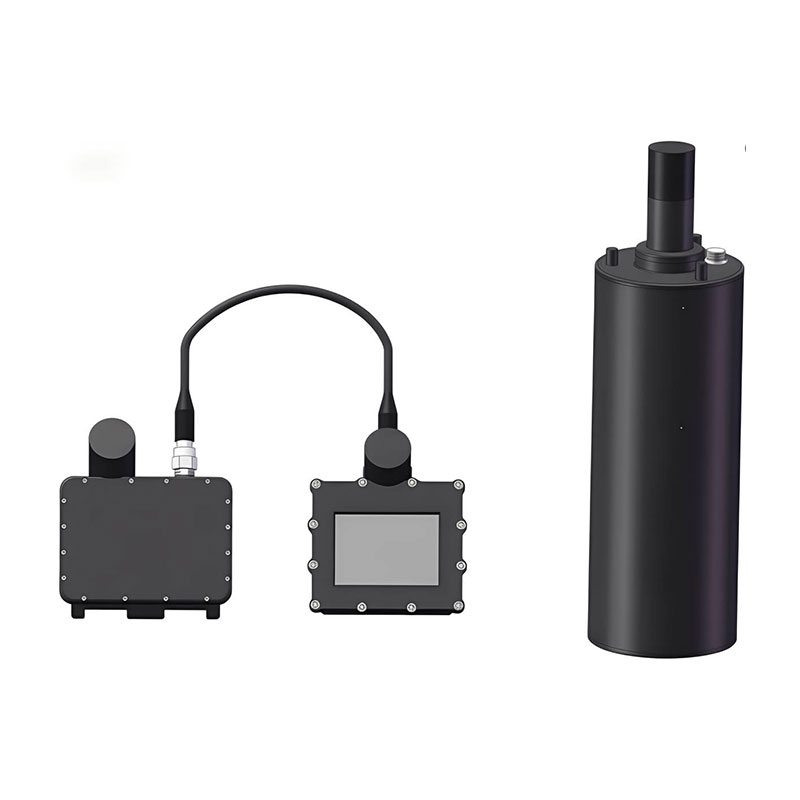 DIVER 106
 SLLR3000
 SLLR905
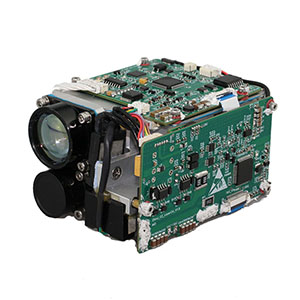 SLLD25
 160M
160M 170M
170M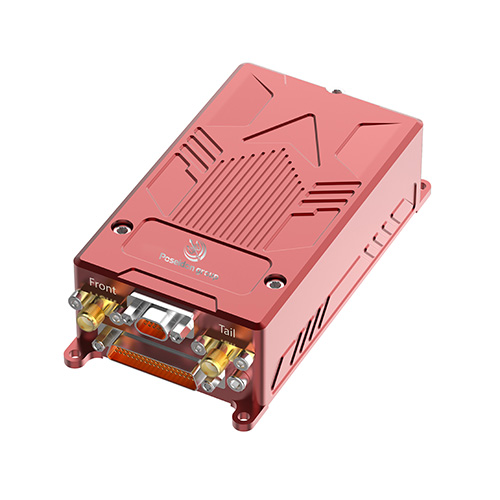 SLFC-70
 SLAF280
 MR360
MR360